Materials and Technology Behind Scaffolding for Bridges


Connection construction is a complex engineering job that depends heavily on scaffolding infrastructure. Ensuring protection in scaffolding not only safeguards workers but in addition safeguards the architectural integrity of scaffolding infrastructure bridges (byggnadsställningar infrastruktur broar). Adhering to security criteria decreases office accidents, improves production, and ensures compliance with regulatory requirements.

Why Scaffolding Safety Matters
In accordance with recent structure protection statistics, scaffolding incidents account for almost 65% of falls in structure sites globally. Links, because of their top and scale, present substantial risks, making scaffolding safety a vital priority. Correct criteria prevent collapses, minimize accidents, and enhance detailed efficiency.
Often Asked Questions
What're the key standards for scaffolding safety on connections?
Many global and national security requirements shape scaffolding practices. These include requirements for load-bearing capacity, structural strength, fall security, and typical inspection schedules. Scaffolds must certanly be made to deal with both staff weight and material loads, ensuring stability even below high breeze or shake conditions.
How usually should scaffolding be inspected?
Most useful methods recommend that scaffolding undergoes inspection one or more times every seven days and just after any episode that may compromise its security, such as for instance severe weather or unintended impact. Inspections should include examining support structures, nails, and software areas for signals of wear or damage.
What are normal scaffolding hazards in link structure?
Probably the most frequent hazards include comes from levels, scaffold breaks, slipping things, and electric surprise from regional energy lines. Knowledge from occupational protection boards indicate that comes from scaffolds are among the most effective reasons for structure fatalities. Handling these dangers requires appropriate style, typical teaching, and the use of personal defensive equipment (PPE).
What instruction is necessary for personnel?
Employees involved in scaffolding operations should undergo protection teaching that addresses erection, preservation, and dismantling procedures. Instruction also includes drop arrest programs, threat recognition, and disaster result techniques. Data reveal that qualified workers are 70% less apt to be associated with scaffolding-related accidents.
How can engineering improve scaffolding safety?
Progressive systems such as for instance fill receptors, 3D modeling for scaffold style, and real-time monitoring methods somewhat lower risk. Analytics and electronic monitoring may anticipate potential failures, ensuring reasonable maintenance and submission with safety protocols.
Conclusion
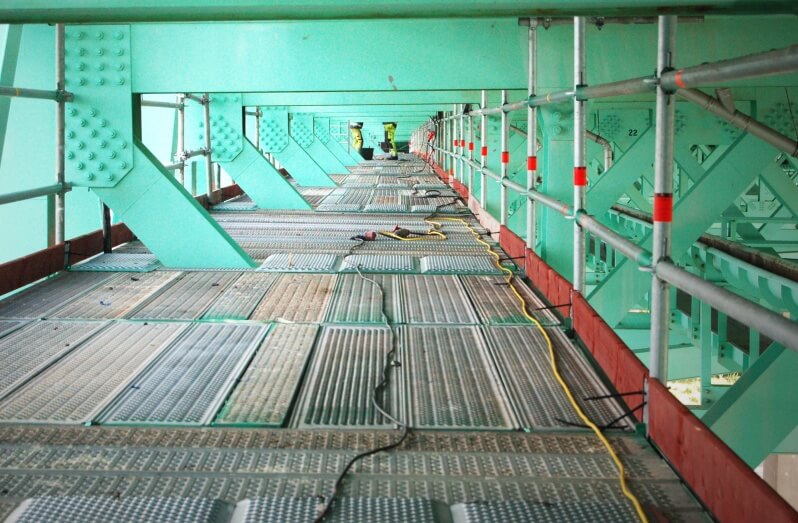
Protection in scaffolding infrastructure bridges is non-negotiable. By following established requirements, performing normal inspections, providing adequate education, and leveraging technology, link jobs can keep high safety levels. Adhering to these procedures reduces incidents, ensures workforce wellbeing, and delivers strong, durable infrastructure.
Statistics Snapshot:
Falls from scaffolding account for 65% of structure website accidents.
Normal inspections lower incidents by around 50%.
Qualified employees are 70% less likely to experience scaffolding-related incidents.
Prioritizing scaffolding protection guarantees that link jobs are finished successfully, solidly, and within regulatory compliance, benefiting both individuals and the public.